



Beyond Willpower: A Compassionate, Evidence-Based Approach to Supporting Trichotillomania Recovery
Psychologist and psychotherapist Dr Ailsa Parsons on why willpower alone can’t beat hair pulling.
By Dr Ailsa Parsons
Trichotillomania affects about 1 in 50 people — kids and adults, men and women, every background. Most hide it. Whether you pull your own hair or you’ve just noticed your child doing it, this site will help you make sense of it and figure out what to do next.


Trichotillomania (trik-oh-till-oh-MAY-nee-uh) is the medical name for compulsive hair pulling — repeated urges to pull out your own hair, from the scalp, eyebrows, eyelashes, or anywhere else. It affects kids and adults of every gender and background. It’s not a bad habit, and it’s not a lack of willpower. It’s a recognized condition, it’s surprisingly common, and it’s treatable.
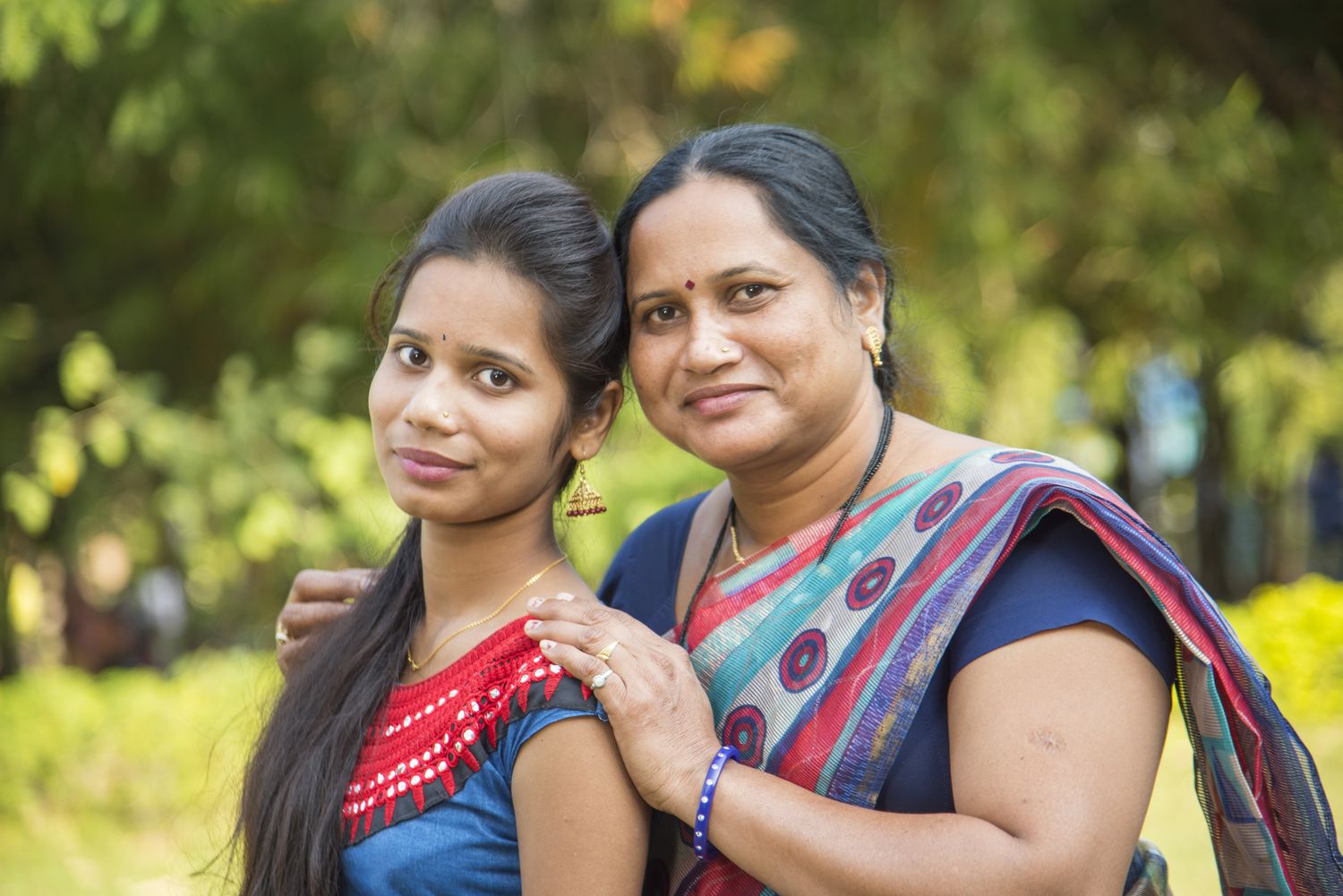
Kids and adults. Men and women. Some people pull from the scalp, some from brows or lashes, some from the beard or elsewhere. It’s all trich — and the same treatments help, wherever you pull from.
Scalp
Eyebrows
Eyelashes
+ everywhere else

For parents
Finding out your child is pulling out their hair is scary. It’s also more common than you’d think — and there’s a lot you can do. The Parent’s Guide to Trichotillomania takes you through it step by step: how to talk about it without making things worse, what actually helps kids and teens, how to deal with school, and how to look after yourself along the way.
Most therapists have never treated a hair puller. The ones in this directory have. Search by state or country, or go online from anywhere.

Psychologist and psychotherapist Dr Ailsa Parsons on why willpower alone can’t beat hair pulling.
By Dr Ailsa Parsons
What a superbill for therapy is, what it must include, and how to use out-of-network benefits to claim back the cost of trichotillomania therapy in the US.
Do trichotillomania bracelets and apps help? How awareness wearables and tracking apps work, what the research found, what they cost, and cheaper options.
Free self-check · 2 minutes
Twelve quick questions, written in plain English and built around the signs doctors look for. Take it for yourself or for your child, and see how closely the answers match — on screen right away, with a copy by email to keep.
Free. Private. Not a diagnosis.
Practical tips, new articles, and the occasional bit of encouragement. No spam, unsubscribe whenever.